
Expert Electrical Solutions: Quality, Affordable, and Built to Last
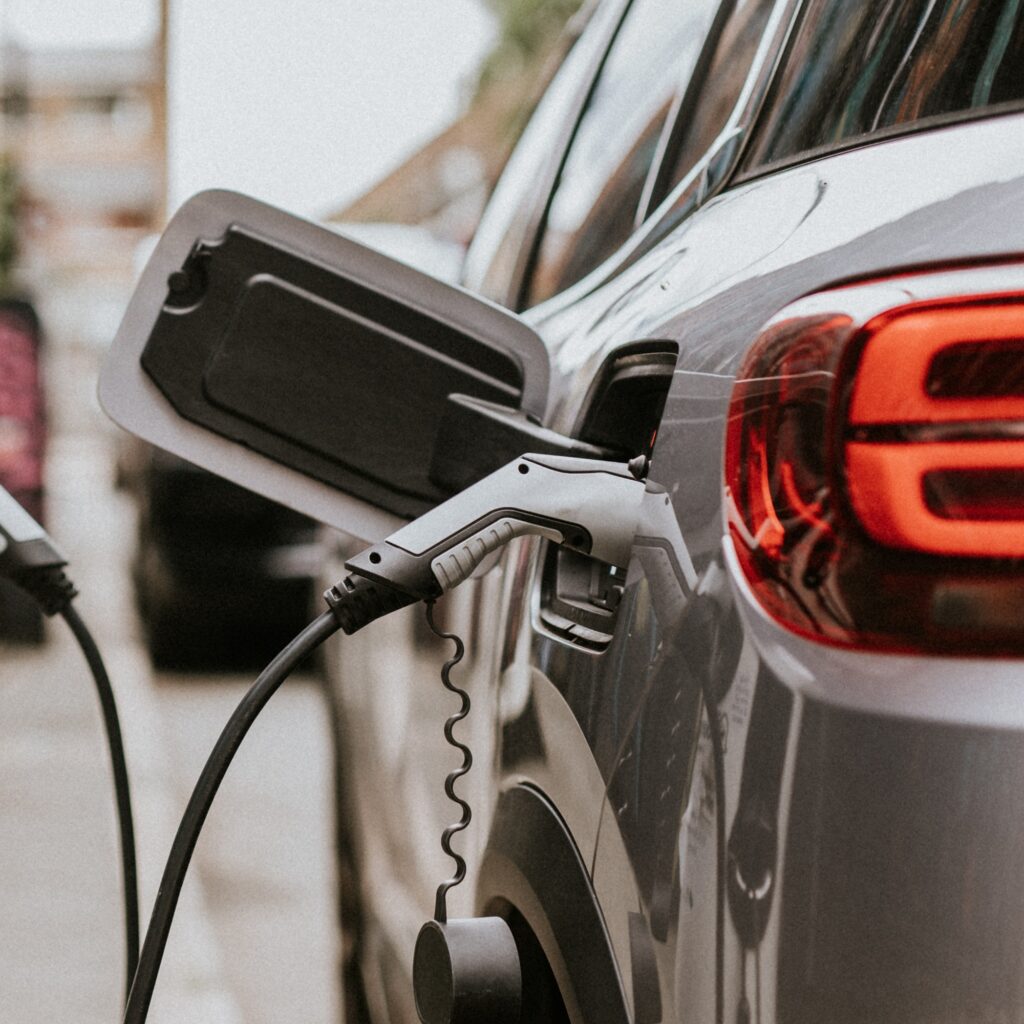
Electric vehicles already outsell gas cars in downtown Vancouver, and chargers are popping up in parkades from Kitsilano to Lynn Valley. But nothing beats the convenience—and long-term savings—of plugging in at home.
SJ Electrical’s licensed team makes EV Charger Installation Vancouver seamless: we evaluate your electrical capacity, secure permits, install your charger to the latest Canadian Electrical Code, and walk you through smart-charging apps so you wake up to a full battery every morning.
Local expertise that shows up on time. We’re Vancouver-based Red Seal electricians who have wired more than 600 Level 2 chargers since 2017, from laneway houses in Vancouver to mixed-use parkades in Burnaby. Our installs pass inspection the first time because we understand Vancouver’s unique building bylaws, seismic requirements, and wet-coast weatherproofing challenges.
Easy Access to EV Charger Rebates
Homeowners, stratas, and businesses across BC may qualify for rebates of up to $350 for single-family homes or $2,000 per charger for strata and workplace installations.
While we don’t submit the paperwork on your behalf, we make the process straightforward. After the installation, we’ll email you a copy of the closed electrical permit, and you can submit your own application online in just a few minutes. You’ll need to take a few photos of the completed install and upload your receipts. That’s it—simple, quick, and well worth it.
Whether you need a simple DCC-10 load-management device or a full 200 A service upgrade, we size your system for the EV you own today and the bigger battery you might park in five years. Our panel work carries a one-year labour warranty.
No hidden conduit fees or surprise permit costs. You’ll see hardware, labour, permit, and optional trenching line by line before we pick up a screwdriver.
Before installing an EV charger, it’s essential to assess whether your home’s electrical panel can handle the increased load. A typical Level 2 charger requires a 240-volt circuit and draws between 30 and 50 amps. If your home is equipped with an older 100-amp panel, you may need to upgrade to a 200-amp service to accommodate the additional load safely. Our team will perform a detailed assessment of your electrical system to determine whether a panel upgrade is necessary.
Not sure if your panel is ready for an EV charger? Schedule an evaluation with us today.
Even at BC Hydro’s tier-1 rate, fuelling an EV at home costs roughly 25–30 ¢ per equivalent litre of gasoline. Shift that charging to time-of-use windows (11 p.m.–7 a.m.) and your “fuel” drops below 15 ¢/L. A typical Metro Vancouver commuter driving 15,000 km a year saves $1,200–$1,500 versus pumping gas—enough to pay for a professional Level 2 installation in under two years.
British Columbia offers several generous rebate programs for installing EV charging stations at homes, apartments, and workplaces:
These incentives make it easier to transition to electric vehicles, helping reduce installation costs significantly.
Let us help you maximize these rebates—contact us today to start your EV charging installation.
Installing an EV charger at home involves several cost factors, including:
While the initial costs can seem significant, rebates, long-term fuel savings, and the convenience of home charging make it a worthwhile investment.
Safety is paramount when installing an EV charger. Our team ensures that every installation meets industry standards, including:
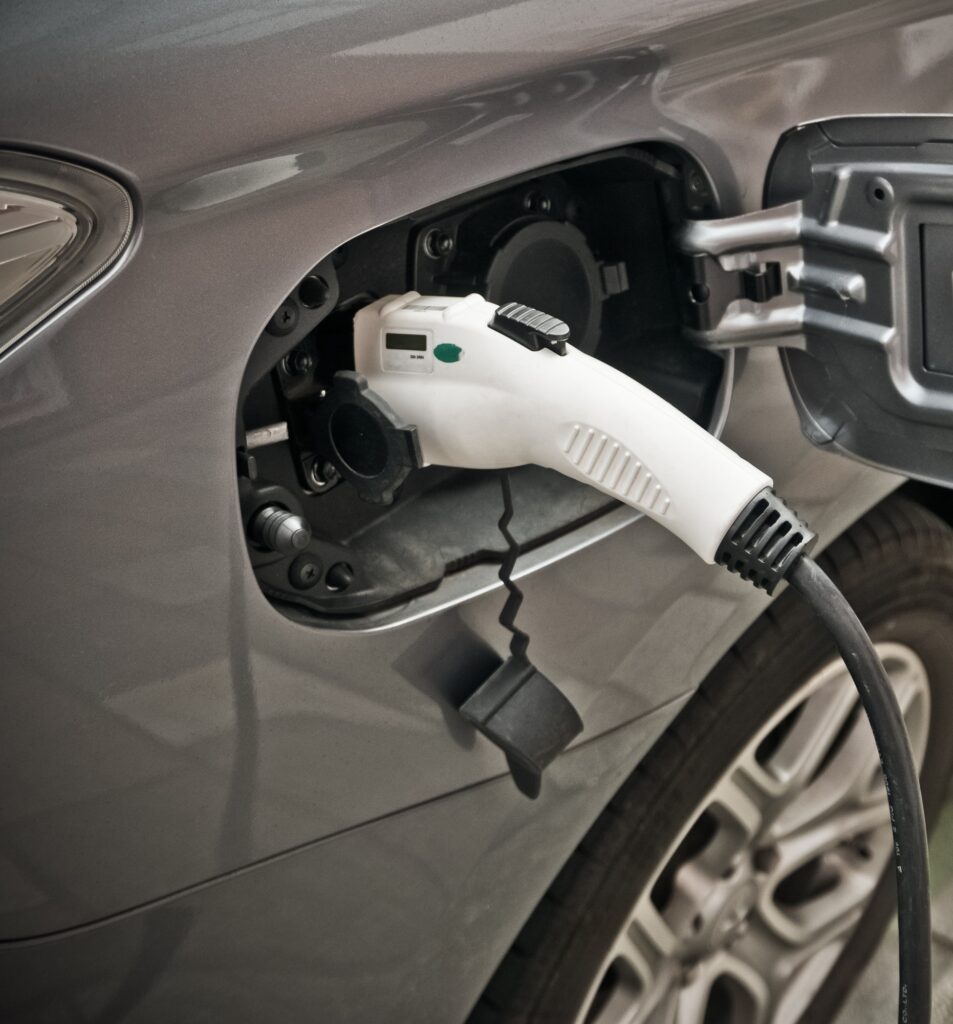
Many homeowners in British Columbia have access to time-of-use (TOU) electricity rates, which offer cheaper rates during off-peak hours. This can result in significant savings when charging your electric vehicle (EV) at home.
How It Works:
By scheduling your EV charging during off-peak hours, you can:
Level 1 (120 V) — Good for Light Drivers
Plug into any household outlet and add ±8 km of range per hour. Ideal for plug-in hybrids or drivers logging < 30 km/day. No special wiring, but painfully slow for full-battery EVs.
Level 2 (240 V) — Most Popular in Vancouver
A 30–48 A charger delivers 7–11 kW, adding 30–40 km/hr of range. Full charges in 3–8 hours and eligible for CleanBC rebates. Requires a dedicated two-pole breaker or a load-sharing controller.
DC Fast Charger (50 kW–180 kW) — Commercial & Fleet
Up to 80 % charge in under an hour. Needs three-phase power, utility coordination, and a serious budget. Perfect for strata visitor stalls, corporate fleets, or highway service centres.
If you’re unsure, our free site assessment compares your driving patterns, panel capacity, and rebate eligibility to pinpoint the optimal solution.

If you install a smart EV charger, you can optimize your charging schedule to automatically begin charging during off-peak hours. Features of smart chargers include:
For example, BC Hydro is expected to offer an Optional Time-of-Use Rate after April 2024, giving homeowners even more flexibility to manage their electricity costs by charging during off-peak periods.
By optimizing your EV charging schedule based on TOU rates, you can make owning an electric vehicle even more cost-effective.

Vancouver’s new optional Time-of-Use (TOU) pilot charges half-price electricity overnight. Pair that with a smart charger like the FLO Home X5 or ChargePoint Home Flex and you could save another $200/year.
Already planning rooftop solar? We size conduit so you can back-feed solar to the same sub-panel later—no re-wire needed. Thinking ahead to bi-directional charging (V2H/V2G)? We install conduit and breaker spacing for CHAdeMO or CCS reverse-power inverters that are projected to hit the Canadian market in 2026.
Case Study 1: Electrical Services in Kitsinalo
The Problem: A Kitsilano townhouse owner bought a Hyundai Ioniq 5 but the shared parkade only had 60 A spare capacity for six units. The strata feared a full service upgrade would cost $40 k.
Our Solution: SJ Electrical installed six DCC-9 load-management switches, one per parking stall, and ran a 3-inch EMT “backbone” conduit for future expansion. Each owner covers their own meter socket, and the system qualifies for $12 k in CleanBC rebates.
Outcome: Total project cost: $17,600. Average charge time: 6 hours for 10 %→80 %. Strata avoided a costly transformer upgrade and added resale value to every unit.
Case Study 2: Panel Capacity Issue in Port Coquitlam
Client: Homeowner
Location: Port Coquitlam, BC
Challenge: The client had recently purchased an EV and wanted to install a Level 2 charger in their garage. However, their home had an older 100 amp panel with limited capacity.
Solution:
After a site visit, we confirmed that the panel was at full load and wouldn’t safely support a 40 amp EV charger. We provided a clear quote for a 200 amp service upgrade, pulled permits, and coordinated with BC Hydro for a seamless transition. Once the new panel was in place, we installed a 240V outlet with proper GFCI protection and tested the charger for load balance.
Result:
The homeowner now charges their EV confidently and safely at home, and they were able to take advantage of the BC Hydro rebate by submitting the permit and photos we provided.
Case Study 3: EV Management System for Townhouse Charger
Client: Townhouse Owner
Location: Coquitlam, BC
Challenge: A client wanted to install a Level 2 EV charger in their townhouse garage, but their existing electrical system didn’t have enough capacity to support it.
Solution:
We installed a smart EV energy management system that shares power with the kitchen stove, allowing both to operate safely without overloading the system. The installation was tidy, met all code requirements, and received full strata approval.
Result:
The client now charges their EV at home with confidence and was eligible for a BC Hydro rebate using the permit and documentation we provided.
There are three main types of EV chargers:
It depends on your current panel’s capacity. Many older homes with 100-amp service may need to upgrade to a 200-amp panel to safely support the added load of a Level 2 charger or installing an EV management system. Our electricians will assess your current system and recommend the best solution.
Yes! In British Columbia, the CleanBC Go Electric Program offers a rebate of up to $350 for Level 2 chargers in single-family homes. BC Hydro also provides an additional $250 top-up for smart chargers, bringing the total rebate to $600. Multi-unit residential buildings and workplaces may qualify for rebates of up to $2,000 per charger, with additional support for EV-ready infrastructure.
Your EV charger must meet key safety standards, including:
CSA Compliance: All installations must comply with the Canadian Electrical Code (CEC) to ensure safety and proper installation practices.
To apply for the CleanBC Go Electric rebate, homeowners must install an approved Level 2 charger and submit their receipts and documentation through the rebate portal. Pre-approval is required for multi-unit residential and commercial installations.
A straightforward garage install with exposed walls takes 3–4 hours. Finished basements or detached garages may add half a day for conduit and drywall cutting.
Not if we design it correctly. We either add a load-sharing switch that throttles back charging when your stove or dryer runs, or we upgrade your service to 200 A. We’ll calculate both options and let you decide.
Absolutely—Burnaby, New West, Richmond, Delta, Surrey, Coquitlam, Port Moody, Pitt Meadows, North Vancouver, West Vancouver and Port Coquitlam.
There are three main types of EV chargers:
DC Fast Chargers: Primarily for commercial or industrial use, these chargers provide rapid charging but require significant electrical upgrades and infrastructure.
It depends on your current panel’s capacity. Many older homes with 100-amp service may need to upgrade to a 200-amp panel to safely support the added load of a Level 2 charger or installing an EV management system. Our electricians will assess your current system and recommend the best solution.
Yes! In British Columbia, the CleanBC Go Electric Program offers a rebate of up to $350 for Level 2 chargers in single-family homes. BC Hydro also provides an additional $250 top-up for smart chargers, bringing the total rebate to $600. Multi-unit residential buildings and workplaces may qualify for rebates of up to $2,000 per charger, with additional support for EV-ready infrastructure.
Your EV charger must meet key safety standards, including:
CSA Compliance: All installations must comply with the Canadian Electrical Code (CEC) to ensure safety and proper installation practices.
To apply for the CleanBC Go Electric rebate, homeowners must install an approved Level 2 charger and submit their receipts and documentation through the rebate portal. Pre-approval is required for multi-unit residential and commercial installations.
Expert Electrical Solutions: Quality, Affordable, and Built to Last