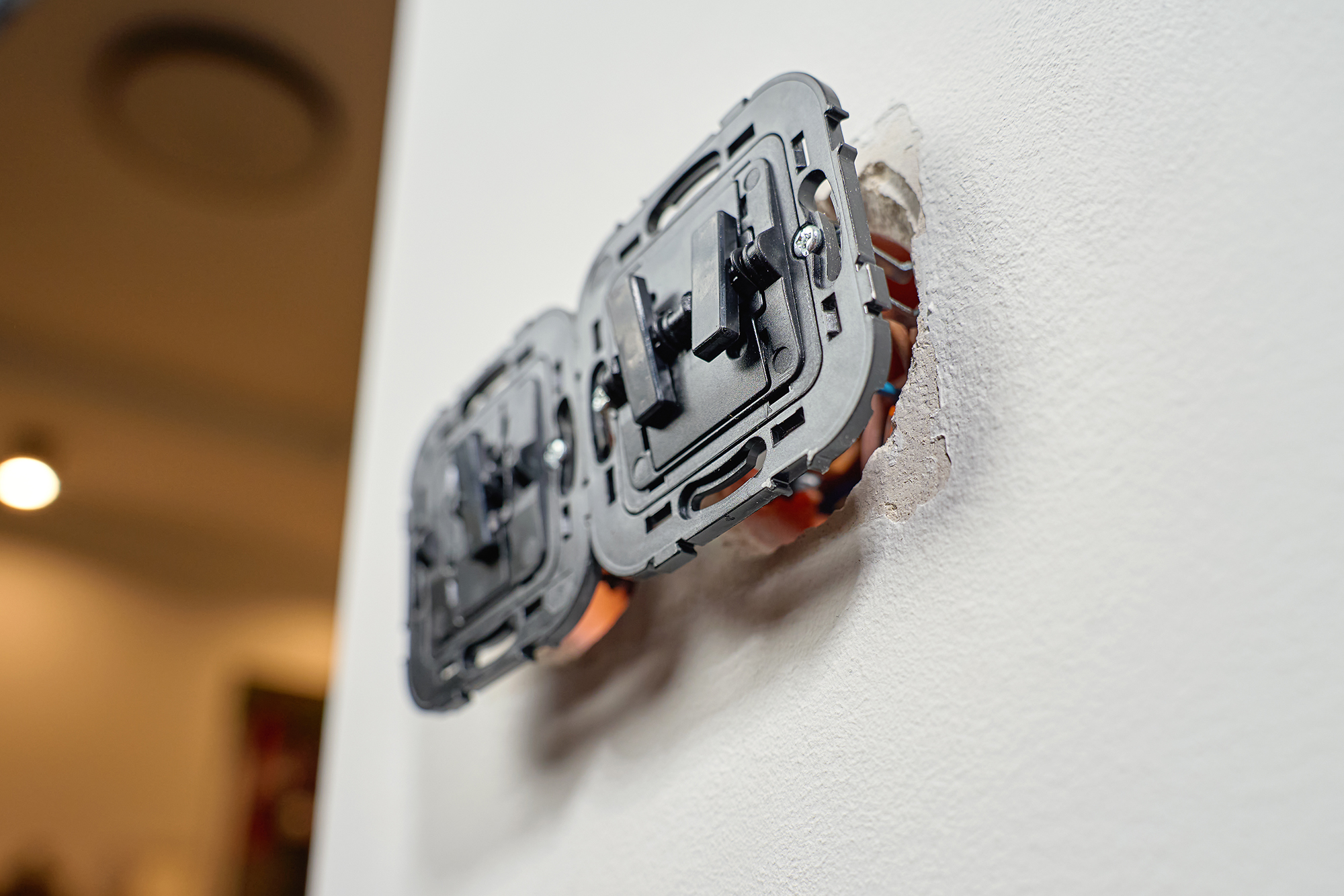
Tackling a major home remodel requires more than a solid architectural plan and premium materials. Behind the drywall, the electrical framework dictates the safety, functionality, and long-term success of the entire project. Overlooking this hidden infrastructure is one of the fastest ways to stall a build.
For general contractors and project managers handling extensive renovations, electrical oversights often lead to blown budgets and failed inspections. The most recent BC Electrical Code updates introduce strict new rules for load capacities, GFCI protection, and island outlet placements. Missing a single requirement means tearing open freshly finished walls to make mandatory corrections.
This comprehensive guide outlines exactly what you need to map out the electrical scope for kitchens, basements, and large home additions. By consulting a licensed electrician Port Moody early in the planning phase, you can bypass the guesswork, satisfy local municipal inspectors, and ensure the property handles modern energy demands safely.
Kitchen Renovation Electrical Checklist
Kitchens draw more power than any other room in a house. Modern appliances require strategic circuit mapping to prevent overloaded panels and tripped breakers.
Dedicated Circuits for Appliances
The Canadian Electrical Code mandates dedicated circuits for heavy-draw appliances. Your refrigerator, dishwasher, microwave, and electric oven all need their own independent power sources. Attempting to share a circuit between a microwave and a toaster will immediately cause nuisance tripping. During the pre-drywall phase, your electrical contractor must run individual lines directly from the main panel to these specific appliance locations.
Outlet Placement and GFCI Requirements
Water and electricity are a dangerous combination. Any outlet located near a kitchen sink must feature Ground Fault Circuit Interrupter (GFCI) protection. Additionally, recent updates to the electrical code have changed the rules for kitchen islands. Outlets can no longer be mounted on the side of an island cabinet due to the risk of appliance cords snagging. They must now be installed on the top surface, often utilizing approved pop-up receptacle assemblies.
Lighting Design
A single overhead fixture is no longer sufficient for a highly functional kitchen. A proper lighting plan incorporates ambient, task, and accent lighting. General contractors should map out locations for recessed LED pot lights for overall brightness, under-cabinet strips for food prep illumination, and pendant fixtures over the island for visual appeal.
Future-Proofing for Smart Kitchen Tech
Homeowners increasingly expect integrated smart technology in their newly renovated spaces. Plan for extra outlets inside pantries for charging stations or small appliances. Run neutral wires to all switch boxes to accommodate smart dimmers and automated lighting controls.
Basement Renovation Electrical Checklist
Transforming an unfinished basement into a legal suite, home theater, or functional living space requires a complete electrical overhaul. Subterranean spaces present unique challenges regarding moisture and panel access.
Planning for Living Spaces, Bedrooms, and Bathrooms
Legal basement bedrooms must meet specific egress and smoke detection standards. All sleeping areas require Arc Fault Circuit Interrupter (AFCI) protection to prevent electrical fires caused by damaged wiring. Basement bathrooms require GFCI outlets and dedicated circuits for high-draw items like hair dryers and heated floors.
Electrical Panel Capacity and Potential Upgrades
Many older Port Moody homes still operate on 100-amp service panels. Adding a secondary kitchen, multiple baseboard heaters, or an entirely new living space will quickly exceed that limit. Before pulling permits, an electrician must perform a load calculation. You will likely need to install a sub-panel or upgrade the main service to 200 amps to safely distribute the new electrical load.
Lighting and Switching Considerations
Basements suffer from a lack of natural light. Strategic switching allows occupants to control different zones independently. Three-way switches are essential at the top and bottom of staircases. LED wafer lights are highly recommended for basements with low ceiling clearance, providing maximum brightness without sacrificing valuable headroom.
Wiring for Entertainment Systems and Home Offices
Home theaters and dedicated office spaces demand robust electrical infrastructure. Plan for dedicated circuits to support expensive gaming PCs, servers, and AV receivers. Hardwiring ethernet cables alongside electrical runs ensures a stable, high-speed internet connection without relying on spotty Wi-Fi signals through concrete foundation walls.
Home Addition Electrical Checklist
Expanding a home’s footprint means extending its electrical nervous system. Additions require seamless integration between the old wiring and the new infrastructure.
Assessing Existing Electrical Infrastructure
Before breaking ground on an extension, contractors must evaluate the current wiring. Older homes might harbor outdated knob-and-tube or aluminum wiring that complicates tie-ins. Identifying these hazards early prevents surprise remediation costs later in the project schedule.
New Service Requirements and Panel Upgrades
A new primary bedroom wing or second-story addition drastically changes the home’s power consumption. Upgrading the main electrical service is almost always necessary during a major addition. Moving the meter base to meet current BC Hydro standards and installing a new overhead mast must be factored into the project timeline.
Integrating New Wiring with Existing Systems
Connecting a brand-new addition to a heritage home requires careful planning. Smoke and carbon monoxide detectors in the new space must be hardwired and interconnected with the alarms in the original structure. If one alarm sounds, they all must sound simultaneously to meet municipal fire safety codes.
Outdoor Lighting and Power Needs
An addition often disrupts the existing exterior lighting. Plan for new weatherproof exterior outlets, motion-sensor security lights, and dedicated circuits for future outdoor amenities like hot tubs or patio heaters.
The Contractor-Friendly Pre-Reno Electrical Scope Checklist
Smooth projects rely on organized documentation. Use this checklist to align your team and your electrical contractor before the demolition begins.
Comprehensive Circuit Mapping and Load Calculations
Do not guess how much power a house has available. Have your electrician perform a formal load calculation. Document every new appliance, heater, and high-draw device the client plans to install. Map out exactly which loads will require new home runs to the main panel.
Detailed Lighting Plan
Draft a specialized lighting blueprint. Note the exact placement of recessed lights, the height of pendant drops, and the locations of multi-way switches. Specify if the client wants standard toggles, Decora switches, or smart dimmers.
Identifying Dedicated Loads
Modern upgrades require heavy electrical commitments. Identify the placement of EV chargers, heat pumps, and induction cooktops early. The City of Port Moody has strong sustainability goals, and planning for an Electric Vehicle Energy Management System (EVEMS) might be necessary if the property faces panel limitations.
Strategizing for Future Electrical Needs
Run empty conduits to the attic for future solar panel installations. Leave extra space in the upgraded breaker panel. Anticipating the homeowner’s needs five years down the road elevates the quality of your renovation.
Why Choose SJ Electrical for Your Port Moody Renovation
Large-scale renovations require a specialized electrical partner. SJ Electrical is a fully licensed and insured contractor handling complex residential and commercial projects throughout the Tri-Cities.
From 200-amp panel upgrades to intricate kitchen lighting designs, our team understands the nuances of local municipal codes. We handle the load calculations, pull the necessary Technical Safety BC permits, and coordinate directly with inspectors to keep your build on track. Our clean, professional crews integrate seamlessly with your renovation timeline, ensuring the rough-in and final finishing stages happen exactly when you need them.
Power Your Next Project with Confidence
A successful renovation relies on safe, reliable, and code-compliant electrical work. Proper planning eliminates scheduling delays, avoids failed inspections, and delivers a superior final product to the homeowner. Partner with a team that treats your project’s infrastructure with the seriousness it deserves. Contact SJ Electrical today to review your project blueprints and secure a fast, transparent quote for your upcoming Port Moody renovation.